

Using a Chiminea Indoors
Chiminesas can bring warmth and ambience to your backyard. It can be used to cook and is more secure than a fireplace.
Clay chimineas require an sand layer at the bottom to stop thermal cracking due to abrupt temperature fluctuations. It is crucial to keep a chiminea dry of rainy weather and cover it when not in use.
Heat
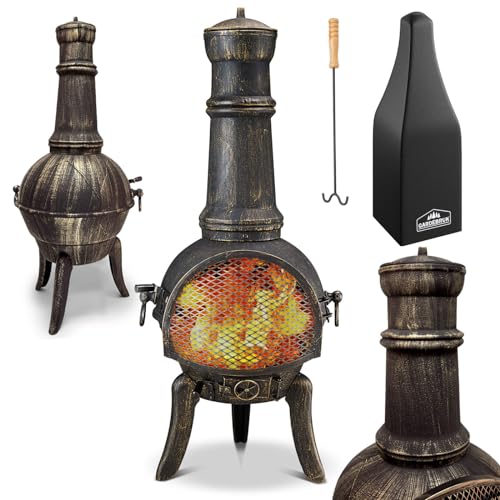
A chiminea is an outdoor fireplace with a large chimney that is used for cooking, heating, and entertaining. It is made of clay or cast iron and could have decorative details painted or incised on its sides or face. It has a round, squat belly with an open area for the addition of firewood. It is positioned on a stand or fire pit to ensure it does not tip over. It is typically sited in a grassy area although it can be placed in an open patio. To avoid fire and smoke damage, it's important to leave plenty of space around the chiminea. It should be put in a place where pets, children and drunken human beings will not knock it over.
You should take care of your outdoor wood-burning chimenea, or gas-powered version, to avoid it from warping or cracking because of heat and moisture. Clay versions may break if not protected from rain or frost. In winter, they should be protected or stored due to their vulnerability to sudden temperature changes. The addition of an acrylic seal to the outside of the chiminea will help lower the risk but is not 100% secure. To minimize the risk of cracking, it's important to protect the chimenea against water and keep it in a shed or garage when not in use.
Metal chimineas, especially made of steel or cast iron are more durable and withstand higher temperatures. Steel chimineas can be used to burn a variety of fuels including coal. However, it is important to avoid placing flammable materials in the belly to prevent them from overheating. They tend to be heavier than clay chimineas, and might require moving carefully or secured with chains to stop them from falling over. They can be extremely hot and should not be touched unless wearing gloves made for heavy-duty use.
Cooking
If you're fond of outdoor cooking and entertaining, bringing a chiminea indoors is the ideal way to enjoy both activities without worrying about your food or drink getting cold or a child or pet falling over the flame. Chimineas can be highly decorative and add an element of interest to any patio or room.
When you are cooking chiminea, there are several essential tools that can help you maximize your experience and make meals more enjoyable. A grill grate or a cast-iron skillet are a great way to cook a variety of meals. A thermometer gauge can be used to adjust the temperature of the food being cooked, removing hot and cold spots and ensuring that the food is cooked to the ideal level of doneness.
No matter what kind of chiminea you own, you'll want to regularly clean it to ensure it's functioning properly. This will minimize smoke and keep the inside of your chiminea free of any ash residue that makes it more easy to light. It's also recommended to pour four inches of sand into the fire bowl in order to keep smoke from accumulating when you use your chiminea for cooking.
In addition to using your chiminea for cooking meals it can also be used to cook desserts and snacks. A popular option is to bake pizza in the chiminea that is a delicious alternative to take-out pizza. You can toast marshmallows over the fire with a set specially designed chiminea marshmallow tongs. Adults and kids will enjoy this.
You should never use your chiminea to ignite wood or charcoal inside your home, as carbon monoxide fumes are lethally dangerous. However you can use a clay chiminea indoors with a bioethanol burner or gel fuel, or candles. Use a stand to set the chiminea in a place that won't damage your carpets or rug. Also, ensure that someone is watching it when children or pets are in the vicinity.
Entertainment
Chimineas can be used to cook a barbecue, or to simply enjoy the roaring fire. You can pick from a wide selection of styles, including traditional clay and contemporary cast iron. This lets you find one that suits your outdoor decor. You can pick between wood-burning or gas models depending on what is available in your region.
Many homeowners opt to install a chiminea in their backyard or patio. They are an excellent option for small spaces that cannot accommodate larger outdoor fireplaces. They are also more simple to use than traditional grills. Some have gorgeous hand-crafted detailing. They have large bases that taper into smaller chimneys. If you're concerned about smoke, choose a chiminea which burns liquid propane or gas instead of wood.
Chimineas are typically decorated with seasonal ornamentation to reflect the changing seasons and provide a distinctive and stylish look to outdoor spaces. Regular cleaning is necessary for those who have wood-burning stove to avoid smoky accumulation. To avoid damaging the material, it is best to use mild, non-abrasive cleaning products.
Since chimineas emit heat, it's important to keep them away from flammable plants and objects that could catch fire. Check your local fire regulations to determine whether you'll need a permit to install one in your yard.
If you want to cook your food in your chiminea, you can purchase a grill that can be removed to fit inside or simply wrap your food in tin foil and place it directly on the fire. Be sure to use long tongs for safety and tongs able to handle the heat, and gloves that are protective.
Another way to elevate your chiminea is through the use of lighting for the outdoors. The right lighting will transform your chiminea's functional and safe focal point to something spectacular. Choose lights that are designed for outdoor use, which are weatherproof or waterproof features. These measures will ensure that your chiminea will withstand extreme conditions and last for a longer time.
Safety
Although chimineas are much safer than a fire pit since they block the smoke and flames, the heat they emit could pose a risk of burns when they are too close to your body. Chimineas are also prone to overheat if left unattended, therefore it is important to take the safety precautions you take when using them.
It is recommended to use a chiminea outdoors on a non-combustible surface, such as a brick or concrete patio. It is risky to set it directly on the deck of a wooden structure or deck such as a shed. Sparks can shoot into the air igniting any object above. The chiminea should be placed at 10 feet away from any material that is flammable in all directions.
Always use dry, well-seasoned wood to prevent excessive smoke. Green or damp wood produces needless, irritating smoke and could cause damage to the chiminea over time. If you intend to use a chiminea which has a chimney cap on it, make sure the cap is made of fire-resistant materials by choosing a model that has UL listing. It should be placed in a manner that the opening of the fire faces the breeze. This will make it burn more efficiently.
When you're not using your chiminea, you can cover it with a weather-resistant tarp in order to keep it safe from snow and rain. Chimineas shouldn't be kept inside or under a deck because the extreme change in temperature can crack the clay.
When you're ready to light your chiminea, you're ready, clean it thoroughly. Clean the area around it of flammable substances and employ a pair tongs in order to remove larger pieces of wood from the stack. Never add her response fuels or gas to a chiminea that is already burning. Contact your local fire department if there are any burn bans in place before using the chiminea. Keep a fire extinguisher close by and wear long, long-sleeved gloves while tending to the flame to ensure that you aren't burned by flames or hot embers. When the fire is done, put it out properly by letting it die out or using water or sand to extinguish it.